


SaaS product development in Jordan: building scalable cloud-based software platforms
The demand for subscription-based platforms continues to grow across industries. Startups and established companies alike are investing in SaaS product development in Jordan to create scalable digital products that generate recurring revenue and long-term customer relationships.
Unlike traditional software projects, SaaS application development requires cloud-ready architecture, multi-tenant logic, secure data handling, and structured growth planning from the beginning.
In this guide, we explore how scalable SaaS systems are structured, how to approach SaaS MVP development strategically, and what technical decisions determine product sustainability.
What makes SaaS product development different?
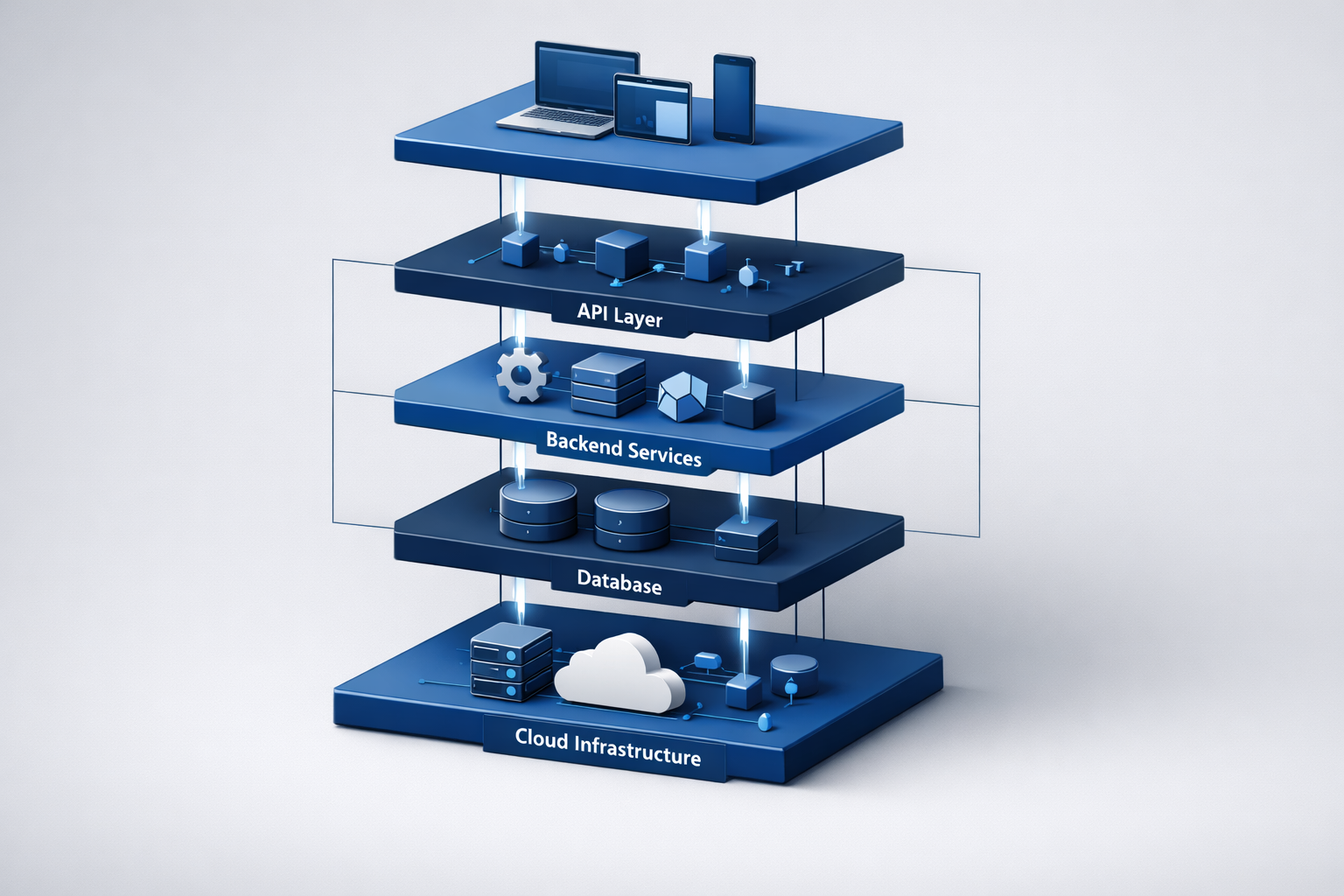
SaaS platforms operate on recurring access models rather than one-time deployment. This means infrastructure, security, scalability, and user management must be designed for continuous operation.
- Cloud-based software solutions architecture
- Multi-tenant architecture for shared infrastructure
- Subscription billing and user access control
- High availability hosting environments
- Performance optimization under growth
SaaS MVP development and product-market validation
Early-stage founders often begin with SaaS MVP development to validate product-market fit before scaling infrastructure. A structured MVP focuses on core value delivery while maintaining extensible backend architecture.
In the next section, we examine multi-tenant system design, scalable SaaS backend architecture, and operational considerations for long-term growth.
Multi-tenant architecture and scalability
A core technical component of SaaS product development in Jordan is multi-tenant architecture. Instead of building isolated systems for each client, SaaS platforms share infrastructure while logically separating data.
Well-implemented multi-tenant architecture allows:
- Lower infrastructure cost per client
- Centralized updates and feature releases
- Efficient scaling across user bases
- Consistent security standards
- Simplified maintenance and monitoring
Without structured backend planning, SaaS growth can quickly strain performance and data integrity.
SaaS backend architecture and cloud infrastructure
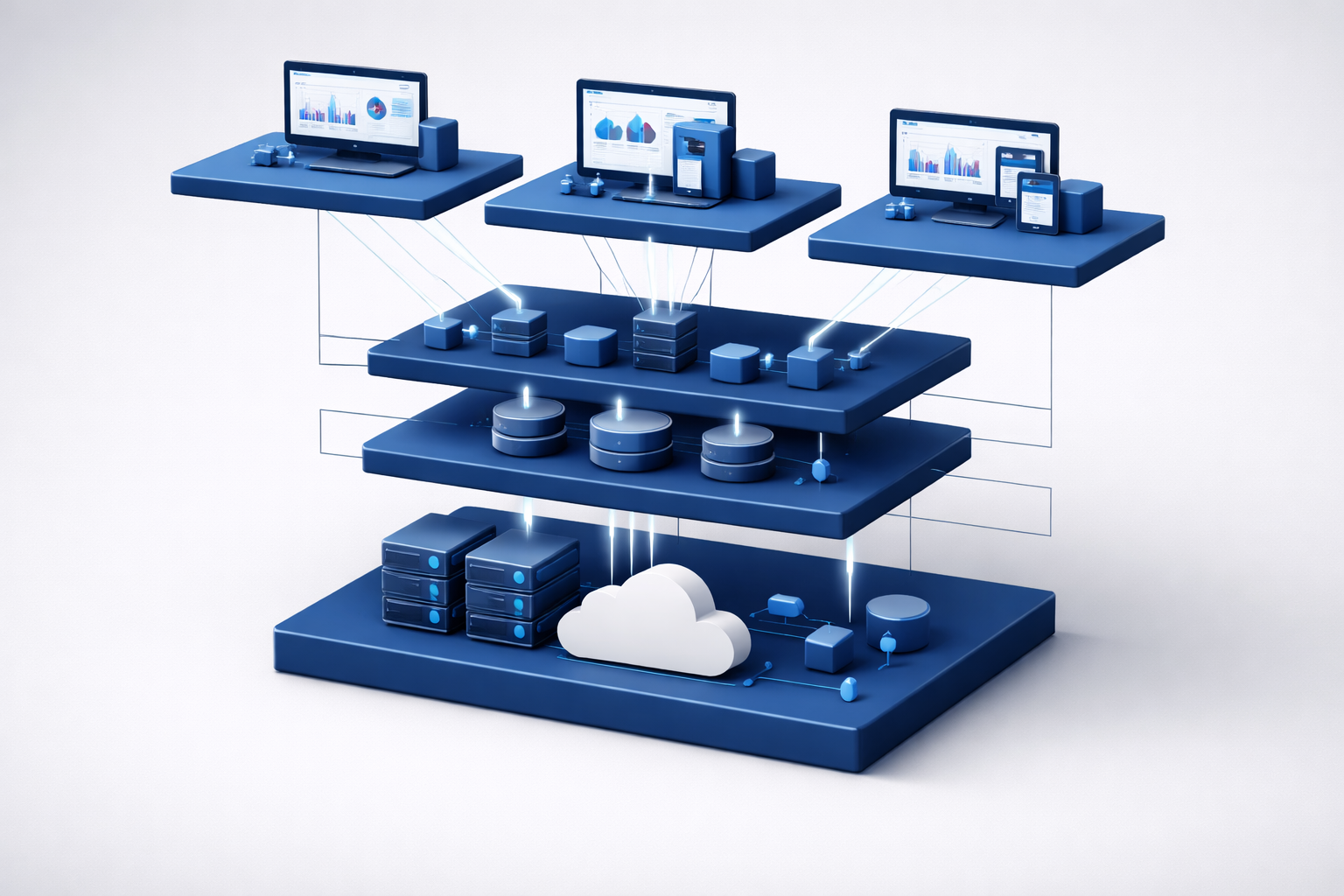
Strong SaaS backend architecture ensures API reliability, database optimization, and secure user authentication. Cloud-based software solutions must support elastic scaling and high availability.
When aligned with structured Web development in Jordan frameworks, SaaS platforms benefit from performance-driven coding standards and integration-ready APIs.
Additionally, usability alignment with UI/UX design for business systems ensures that subscription-based platforms remain intuitive even as features expand.
Operational automation inside SaaS platforms
Beyond infrastructure, SaaS product development in Jordan must include automated processes for billing cycles, user provisioning, notifications, and analytics tracking.
Integrating structured Business automation in Jordan principles enhances operational stability and reduces manual overhead.
In the final section, we outline revenue models, common SaaS development mistakes, and a strategic framework for launching scalable subscription-based platforms.
Revenue models and subscription strategies
A successful SaaS product development in Jordan strategy goes beyond technical execution. Revenue modeling plays a central role in long-term sustainability.
- Tiered subscription plans
- Usage-based billing models
- Freemium entry strategy
- Enterprise licensing tiers
- Annual discounted commitments
Choosing the correct pricing logic early prevents costly restructuring later in the product lifecycle.
Common mistakes in SaaS product development
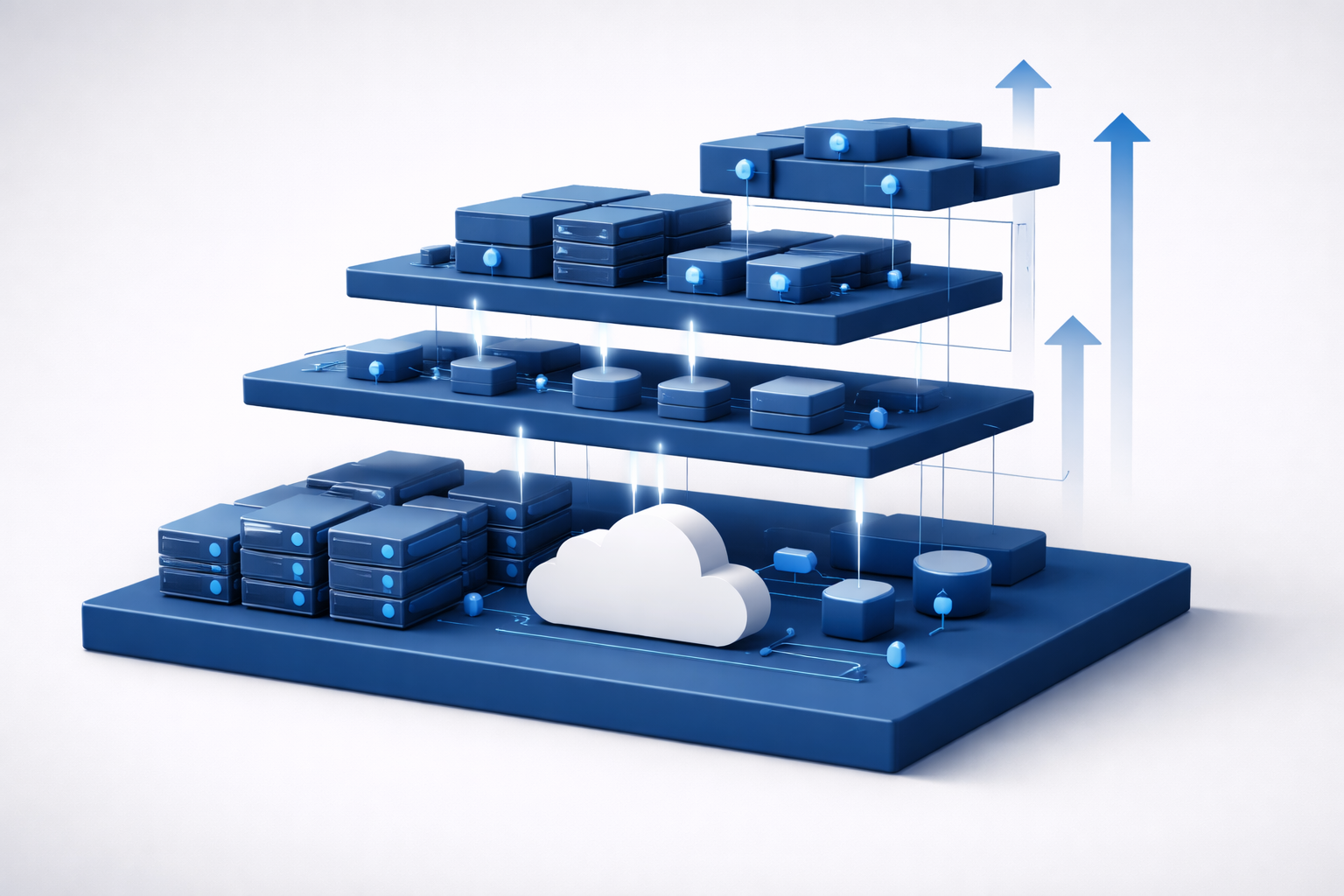
Even well-funded SaaS projects can struggle if strategic alignment is missing. Common issues in SaaS product development in Jordan include:
- Overbuilding features before validating demand
- Ignoring scalability in early architecture
- Poor onboarding experience for new users
- Weak API documentation and integration planning
- Lack of performance monitoring infrastructure
Strategic SaaS launch framework
A structured framework for launching SaaS platforms includes:
- Validating product-market fit through controlled MVP release
- Designing scalable SaaS systems from day one
- Aligning backend architecture with growth projections
- Ensuring strong onboarding and retention flows
- Planning marketing amplification with experienced partners
When paired with digital growth strategies — particularly those supported by partners such as Dot Media — SaaS platforms gain stronger market positioning.
You may also explore our services or review our projects to understand structured SaaS implementation approaches.
Contact our team to discuss your SaaS product development project in Jordan
Frequently Asked Questions About SaaS Product Development in Jordan
What is SaaS product development in Jordan?
SaaS product development in Jordan involves building cloud-based subscription platforms with scalable architecture, secure infrastructure, and multi-tenant logic.
How long does SaaS MVP development take?
SaaS MVP development timelines vary depending on feature scope and infrastructure complexity, typically ranging from several weeks to a few months.
What is multi-tenant architecture?
Multi-tenant architecture allows multiple clients to use the same core infrastructure while maintaining secure data separation within a SaaS platform.
How can SaaS platforms scale efficiently?
Scalable SaaS systems rely on cloud-based infrastructure, optimized backend architecture, performance monitoring, and structured growth planning.
