



ERP systems in Jordan: a practical decision guide for companies that want structured growth
Adopting ERP systems in Jordan is no longer a “big company” decision. For many organizations, ERP has become the operational foundation that replaces disconnected tools, reduces reporting friction, and creates real visibility across finance, inventory, procurement, HR, and sales.
If your teams are using separate spreadsheets, isolated accounting tools, or manual approvals, you are likely paying hidden costs: delayed decisions, duplicated work, data mismatch, and weak accountability. A modern ERP turns these gaps into a structured workflow built around a single source of truth.
This guide explains how companies evaluate ERP software in Jordan, what problems ERP solves in the Jordanian market, and how to choose the right approach for implementation without disrupting operations.

What are ERP systems and why they matter for companies in Jordan
ERP (Enterprise Resource Planning) is a centralized system that connects key departments into one operational environment. Instead of each department maintaining its own data and workflows, ERP creates unified processes and consistent reporting. For many businesses, this shift is the difference between “working hard” and “working with control.”
In practice, ERP systems in Jordan typically include modules such as:
- Financial management (accounting, invoicing, cash flow visibility)
- Inventory and warehouse control (stock accuracy, reorder planning)
- Procurement and approvals (purchase requests, vendor tracking)
- Sales and customer management (pipeline, quotations, order tracking)
- HR and payroll workflows (employee records, attendance, policies)
When implemented correctly, ERP implementation in Jordan reduces operational uncertainty by aligning teams around the same numbers, the same workflow, and the same reporting logic.
The Jordanian market problem: why disconnected systems quietly slow growth
Many companies start with simple tools because they are fast to deploy. Over time, growth adds complexity: more SKUs, more approvals, more sales channels, more branches, and more reporting requirements. The result is often “system sprawl” — different tools that do not talk to each other.
Common symptoms we see across business management systems in Jordan that are not unified include:
- Conflicting numbers between accounting and inventory
- Slow monthly closing and delayed financial reporting
- Manual approvals that create bottlenecks
- Limited visibility on profitability by product or department
- Dependence on one employee who “knows the spreadsheet”

These issues are not just operational. They directly affect decision speed, compliance readiness, and the ability to scale. This is why ERP for SMEs in Jordan has become increasingly relevant—because smaller companies feel the chaos faster when systems are fragmented.
ERP solutions in Jordan: three implementation paths companies choose
Before selecting a vendor, it helps to understand the three common approaches companies take when adopting ERP systems in Jordan. Each path has different implications for flexibility, timeline, risk, and long-term cost.
1) Off-the-shelf ERP configuration
This approach uses a standard ERP platform with configuration to match your processes. It is often suitable when operations follow common patterns and the company wants faster time-to-value. The tradeoff is that not every unique workflow will fit perfectly.
2) ERP customization on top of a platform
Here, a platform is used as the base, but key workflows, approvals, integrations, and reporting are tailored. This is a common middle-ground for businesses that need structure without building everything from scratch. This approach often overlaps with custom ERP development in Jordan when modules require deeper adaptation.
3) Fully custom ERP development
A custom ERP is built around your exact workflow, data model, and reporting needs. It can be the right choice when the business has unique operations, multiple complex integrations, or strict data governance requirements. The key is to build it in phases and avoid over-engineering early.
In Part 2, we will build a practical decision framework to choose the right ERP path, explain what drives ERP cost in Jordan, and outline the most common implementation mistakes that cause ERP projects to fail.
Decision framework: how to choose the right ERP systems in Jordan
Selecting the right ERP systems in Jordan should not start with vendor demos. It should start with operational clarity. Companies that rush into software selection without mapping internal processes often end up adapting their business to the system — instead of configuring the system to support their strategy.
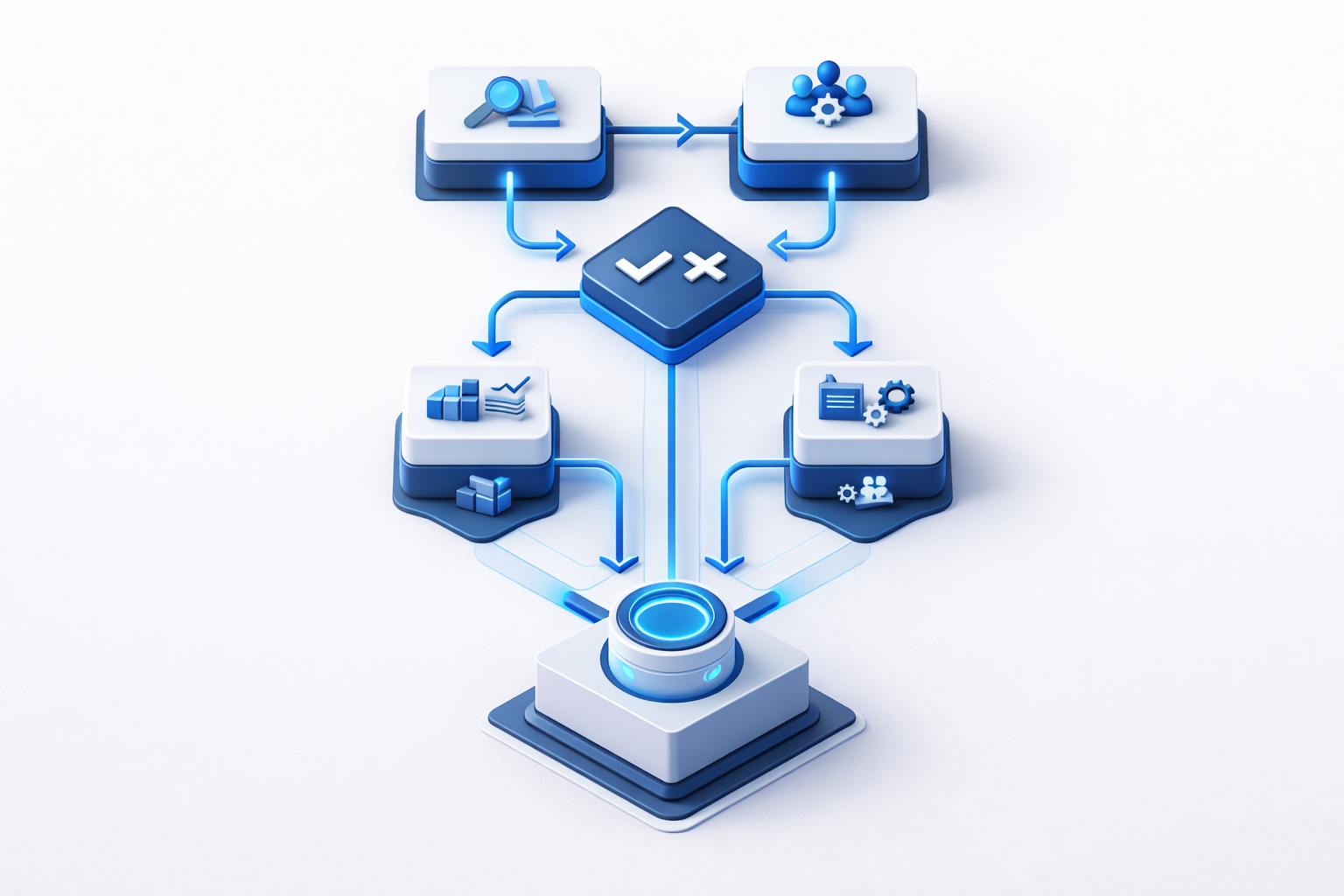
A structured decision framework typically evaluates five key dimensions:
- Operational complexity (number of departments, branches, approval layers)
- Industry-specific requirements (manufacturing, retail, services, distribution)
- Integration needs (banks, POS, e-commerce, CRM, external reporting tools)
- Scalability expectations over 3–5 years
- Internal readiness for change management
When assessing ERP implementation in Jordan, companies should also evaluate whether their internal data is structured and clean. Migrating inconsistent or duplicated data into a new ERP system creates long-term reporting problems.
Understanding ERP cost in Jordan: what actually drives investment
One of the most common questions businesses ask is about ERP cost in Jordan. The answer varies significantly because ERP pricing depends less on “software price” and more on implementation scope.
The main cost drivers include:
- Number of modules implemented
- Customization depth
- Data migration complexity
- Integration with existing systems
- User training and change management effort
For companies exploring ERP for SMEs in Jordan, phased implementation is often a practical strategy. Starting with finance and inventory, then expanding to procurement, HR, and analytics, reduces risk while protecting cash flow.
It is also important to distinguish between license-based ERP software and projects that involve custom ERP development in Jordan. The latter requires architectural planning, UI/UX design, backend logic development, and long-term maintenance strategy.
Common ERP implementation mistakes companies make
Even well-funded projects fail when strategic fundamentals are ignored. Across multiple ERP systems in Jordan deployments, the same patterns appear repeatedly.
- Choosing software before defining internal workflows
- Underestimating data cleanup effort
- Lack of executive sponsorship
- Insufficient user training
- Attempting to digitize broken processes without redesigning them
ERP is not simply an IT upgrade. It is a structural change in how decisions are made, approvals are managed, and performance is measured. Without leadership alignment, resistance from teams can quietly derail adoption.
ERP integration with broader digital transformation strategy
Modern ERP systems in Jordan rarely operate in isolation. They integrate with CRM systems, e-commerce platforms, HR tools, analytics dashboards, and mobile applications. This is why ERP should be viewed as part of a broader digital transformation roadmap rather than a standalone purchase.
Companies planning long-term automation initiatives often align ERP deployment with structured custom software development services to ensure scalability and system interoperability.
Reviewing practical implementation case studies also helps clarify expectations. You can explore structured delivery approaches in our software projects portfolio to understand how phased system development reduces operational disruption.
In the final section, we will summarize when ERP adoption makes strategic sense, outline readiness signals that indicate your company needs ERP now, and explain how to initiate a structured consultation process for ERP systems in Jordan.
When does your company truly need ERP systems in Jordan?
Not every business needs ERP on day one. However, there are clear signals that indicate it is time to adopt ERP systems in Jordan before operational friction starts affecting profitability.
Typical readiness signals include:
- Multiple departments relying on separate spreadsheets
- Monthly financial closing taking longer than expected
- Inventory discrepancies becoming frequent
- Lack of real-time reporting visibility
- Growth plans that require operational scalability
For growing companies, especially those evaluating ERP for SMEs in Jordan, the decision often becomes urgent when leadership can no longer rely on fragmented reports to make confident financial or operational decisions.
ERP as a foundation for long-term business control
The objective of implementing ERP systems in Jordan is not simply automation. It is structural clarity. A well-designed ERP environment aligns finance, operations, procurement, and sales under one governance model.
When ERP is implemented correctly, companies gain:
- Unified real-time reporting
- Process accountability
- Reduced operational risk
- Improved forecasting accuracy
- Scalable digital infrastructure
Businesses that combine ERP adoption with structured marketing and growth strategy often see stronger ROI because operational data becomes usable for performance optimization. For companies aligning technology with broader digital visibility initiatives, integration with structured strategy frameworks similar to those implemented by Dot Media ensures that internal systems and external growth channels operate cohesively.
Start your ERP evaluation with a structured consultation
Choosing the right ERP systems in Jordan requires technical assessment, process mapping, and long-term planning. Whether you are exploring standard ERP software or evaluating custom ERP development in Jordan, the first step is defining operational priorities clearly.
If your organization is considering ERP implementation, our team can help you assess readiness, estimate realistic ERP cost in Jordan, and design a phased roadmap aligned with your growth objectives.
Request a structured consultation for ERP systems in Jordan
Frequently Asked Questions About ERP Systems in Jordan
What are ERP systems in Jordan typically used for?
ERP systems in Jordan are used to integrate finance, inventory, procurement, HR, and sales into one centralized platform that improves operational visibility and decision-making accuracy.
How long does ERP implementation in Jordan usually take?
ERP implementation in Jordan can take anywhere from a few weeks to several months depending on company size, customization level, data migration complexity, and integration requirements.
What affects ERP cost in Jordan?
ERP cost in Jordan depends on module selection, customization scope, integration complexity, number of users, and long-term support requirements.
Is ERP suitable for small and medium businesses?
Yes. ERP for SMEs in Jordan is increasingly common, especially when companies reach a stage where manual reporting and disconnected systems begin limiting growth.
